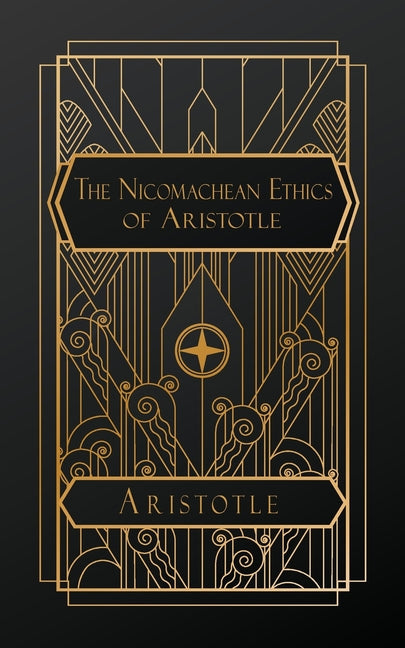
Aristotle
The Nicomachean Ethics of Aristotle
The Nicomachean Ethics of Aristotle
Couldn't load pickup availability
Aristotle's Nicomachean Ethics—the foundational text of virtue ethics presenting a systematic inquiry into the good life, human flourishing (eudaimonia), and moral virtue, profoundly influencing Western philosophy, Christian ethics, and contemporary moral philosophy for over two millennia.
Aristotle (384-322 BCE), Plato's student and tutor to Alexander the Great, composed the Nicomachean Ethics (named for his son Nicomachus) as a comprehensive examination of how humans should live. Unlike abstract moral theory, Aristotle grounds ethics in human nature and practical wisdom, asking: What is the highest good? How do we achieve eudaimonia (flourishing)? What virtues constitute excellent character? His answers—that virtue lies in the golden mean between extremes, that happiness comes from virtuous activity, that practical wisdom guides moral choice—established virtue ethics as a major philosophical tradition.
What you'll discover:
- Eudaimonia (human flourishing) as the highest good and ultimate aim of life
- The doctrine of the golden mean—virtue as the middle path between excess and deficiency
- Moral virtues: courage, temperance, justice, generosity, and magnanimity
- Intellectual virtues: practical wisdom (phronesis), theoretical wisdom (sophia), and understanding
- The role of habituation in developing virtuous character
- Friendship (philia) as essential to the good life
- Pleasure, contemplation, and the life of reason
- Practical wisdom for making ethical decisions in concrete situations
Aristotle's ethics is teleological—understanding human excellence requires understanding human purpose. Just as a knife's excellence lies in cutting well, human excellence lies in living according to reason and virtue. Virtue is not innate but developed through habituation—we become just by doing just acts, courageous by doing courageous acts. The golden mean teaches that virtue lies between extremes: courage between cowardice and recklessness, generosity between stinginess and wastefulness. Practical wisdom (phronesis) enables us to discern the mean in particular situations.
What makes the Nicomachean Ethics essential is its enduring relevance and influence. Aristotle's virtue ethics shaped medieval Christian philosophy (especially Aquinas), influenced Islamic philosophy (Avicenna, Averroes), and experienced revival in contemporary ethics as an alternative to utilitarianism and deontology. His insights on friendship, practical wisdom, and human flourishing speak directly to how we should live, offering guidance grounded in human nature rather than abstract principles.
Perfect for: Students of ancient philosophy and ethics, readers interested in virtue ethics and moral philosophy, those studying Aristotle and Greek philosophy, students of the history of Western thought, readers seeking practical wisdom for living well, anyone interested in eudaimonia and human flourishing, students of medieval philosophy seeking its classical foundations, and contemplative readers drawn to philosophy as a guide for the good life.
This paperback edition presents Aristotle's complete Nicomachean Ethics—the foundational text of virtue ethics that continues to guide readers toward human flourishing through the cultivation of moral and intellectual excellence.
Share