Heraclitus
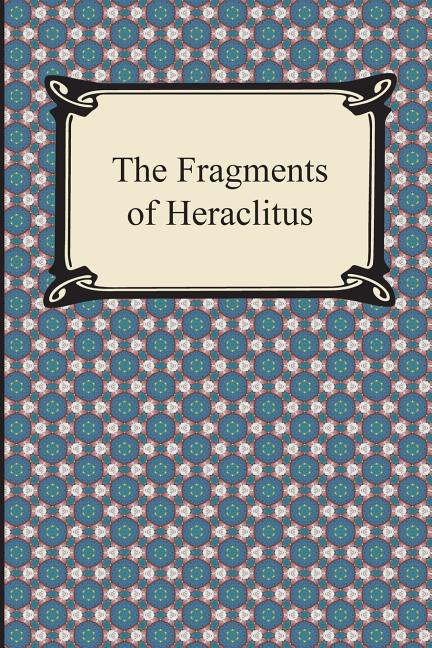
The Fragments of Heraclitus
The Fragments of Heraclitus
Couldn't load pickup availability
The Fragments of Heraclitus—the surviving aphorisms of the enigmatic pre-Socratic philosopher (c. 535-475 BCE) known as the 'Obscure' and the 'Weeping Philosopher,' presenting profound meditations on flux, fire, logos, and the unity of opposites that profoundly influenced Plato, Stoicism, Heidegger, and process philosophy.
Heraclitus of Ephesus stands among the most important and mysterious pre-Socratic thinkers. His original work On Nature (divided into discourses on the universe, politics, and theology) has been lost, but approximately 130 fragments survive through quotations by later authors. These cryptic, poetic aphorisms reveal a philosopher who saw reality as perpetual flux governed by logos (cosmic reason), where fire is the fundamental element and opposites form a hidden unity.
What you'll discover:
- "You cannot step into the same river twice"—the doctrine of universal flux (panta rhei)
- "The way up and the way down are one and the same"—the unity of opposites
- Logos—the rational principle governing the cosmos
- Fire as the fundamental element and symbol of constant transformation
- "War is the father of all things"—conflict as creative force
- "Character is destiny"—ethical insights on human nature
- The hidden harmony superior to the obvious
- G.T.W. Patrick's critical commentary illuminating these enigmatic sayings
Heraclitus's philosophy centers on change and unity. Everything flows, nothing remains static—yet this flux is not chaos but ordered by logos, the rational principle pervading all things. Opposites (day/night, life/death, war/peace) are not separate but interdependent aspects of a unified whole. Fire symbolizes this reality: constantly changing yet maintaining identity, consuming yet creating, destroying yet transforming. His famous river fragment captures this paradox—the river remains 'the same' while its waters constantly flow and change.
What makes these fragments essential is their poetic depth and philosophical influence. Heraclitus writes in riddling aphorisms that invite contemplation rather than systematic exposition. His style influenced Nietzsche's aphoristic philosophy and Heidegger's meditations on being. His ideas shaped Stoic physics (logos as divine reason), Platonic metaphysics (the contrast between flux and permanence), and modern process philosophy (reality as becoming rather than being). His vision of reality as dynamic process resonates with quantum physics, systems theory, and Buddhist impermanence.
This edition presents the complete surviving fragments with G.T.W. Patrick's scholarly translation and critical commentary, making Heraclitus's enigmatic wisdom accessible while preserving its philosophical depth and poetic mystery.
Perfect for: Students of pre-Socratic and ancient Greek philosophy, readers interested in the origins of Western metaphysics, those drawn to aphoristic and poetic philosophy, students of Stoicism seeking its philosophical roots, readers of Heidegger and process philosophy, anyone interested in the philosophy of change and becoming, and contemplative readers drawn to enigmatic wisdom that rewards meditation and reflection.
This paperback edition presents the complete surviving fragments of Heraclitus with G.T.W. Patrick's translation and commentary—the enigmatic aphorisms that established flux, logos, and the unity of opposites as foundational concepts in Western philosophy.
Share