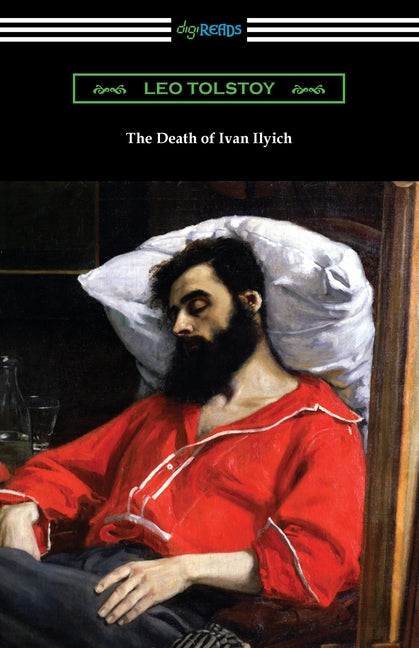
Leo Tolstoy
The Death of Ivan Ilyich
The Death of Ivan Ilyich
Couldn't load pickup availability
Leo Tolstoy's profound masterpiece—a short novel of devastating power exploring mortality, meaning, and authentic living through the story of a man confronting his own death, creating one of literature's most honest and transformative meditations on how we live and how we die.
Leo Tolstoy (1828-1910) published The Death of Ivan Ilyich in 1886, creating what many consider the greatest novella ever written about death and the meaning of life. Ivan Ilyich Golovin is a successful judge living a conventional, respectable life—until a minor accident leads to an illness that forces him to confront his mortality. As he lies dying, he reviews his life and realizes with horror that he has lived inauthentically, pursuing status and comfort rather than genuine meaning. The novella follows his physical decline and spiritual awakening in the final weeks of his life.
What you'll discover:
- Ivan Ilyich's confrontation with death and the question: "What if my whole life has been wrong?"
- The contrast between authentic and inauthentic existence
- How society avoids and denies death, leaving the dying isolated
- The role of physical suffering in spiritual awakening
- Gerasim, the peasant servant who alone treats Ivan with genuine compassion
- Ivan's final moments of acceptance, forgiveness, and transcendence
- Tolstoy's critique of bourgeois life and conventional success
- A profound meditation on mortality that changes how we live
The novella's power lies in its unflinching honesty. Tolstoy shows how Ivan has lived according to society's expectations—pursuing career advancement, maintaining appearances, seeking comfort—without ever asking whether this life has meaning. Only when facing death does he realize that his "successful" life has been empty. His colleagues and family cannot face his mortality; they maintain polite fictions and avoid the dying man. Only Gerasim, a simple peasant, treats him with honest compassion, acknowledging death rather than denying it.
What makes this novella essential for your contemplative library is its transformative power. Tolstoy asks the most fundamental question: How should we live in the face of death? Ivan's realization—"What if my whole life has been wrong?"—forces readers to examine their own lives. Are we living authentically or merely following convention? Are we pursuing genuine meaning or comfortable illusions? The novella doesn't offer easy answers, but Ivan's final acceptance and transcendence suggest that confronting death honestly can transform how we live.
The novella is remarkably short—barely over 100 pages—yet it contains profound wisdom about mortality, meaning, and authentic existence. Tolstoy wrote it during his own spiritual crisis, after achieving literary fame and worldly success yet feeling his life was meaningless. The novella reflects his conviction that conventional bourgeois life is spiritually dead and that genuine meaning requires radical honesty about death and existence.
The influence of The Death of Ivan Ilyich is immeasurable. It shaped existentialism (Heidegger's concept of "being-toward-death" echoes Ivan's experience), influenced the hospice movement and death awareness, and continues to be read by medical students, philosophers, and anyone seeking to live more authentically. It's a work that doesn't just describe death but transforms how we approach life.
Perfect for: Readers of Tolstoy and Russian literature, those confronting mortality or seeking to live more authentically, students of existentialism and philosophy, readers interested in death awareness and hospice care, anyone questioning conventional success and bourgeois life, students of contemplative and spiritual literature, readers of Heidegger, Camus, and existential thought, and contemplative readers seeking profound wisdom on how to live in the face of death.
This paperback edition presents Tolstoy's profound masterpiece—a short, devastating meditation on mortality and meaning that continues to transform how readers understand life and death.
Share