Mercelia Rose
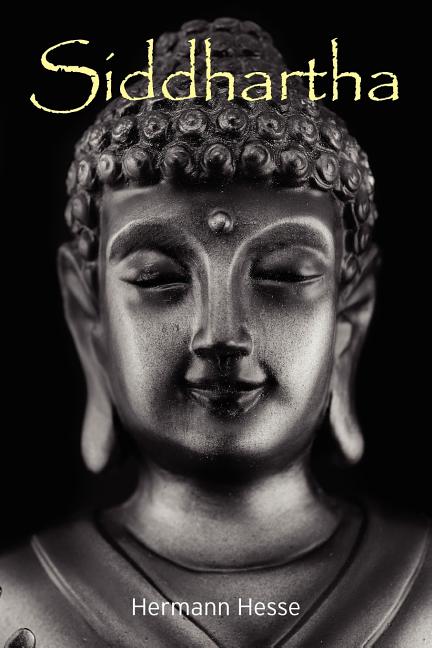
Hermann Hesse: Siddhartha
Hermann Hesse: Siddhartha
Couldn't load pickup availability
What does it mean to find your own path to enlightenment? Hermann Hesse's Siddhartha is a timeless classic that has guided generations of readers seeking meaning beyond prescribed spiritual paths. Set in ancient Nepal during the time of Gautama Buddha, this lyrical novel follows Siddhartha, the son of a Brahmin, as he leaves home with his companion Govinda to seek enlightenment. But unlike Govinda, who becomes a devoted follower of the Buddha, Siddhartha realizes that wisdom cannot be taught—it must be lived. His journey takes him through asceticism, sensual pleasure, material success, and profound loss, each experience teaching him that enlightenment comes not from teachers or doctrines but from direct experience of life itself.
Hesse's prose is spare and luminous, capturing the essence of Eastern wisdom while speaking to Western readers navigating their own spiritual questions. Siddhartha's path is not linear—he moves from Brahmin son to wandering ascetic, from wealthy merchant to ferryman, learning that the river of life contains all wisdom for those who know how to listen. The novel asks profound questions without offering easy answers: Can enlightenment be taught, or must it be discovered? What is the relationship between renunciation and engagement with the world? How do we reconcile spiritual seeking with ordinary human love and connection? Hesse suggests that the path to wisdom lies not in rejecting the world but in embracing it fully, finding the sacred in the ordinary.
For readers building a contemplative practice, Siddhartha offers profound meditation on self-discovery, spiritual seeking, and the courage to follow your own path. This is not a book that prescribes a single way—it honors the necessity of finding your own truth through lived experience. Hesse's novel has become a touchstone for those exploring multiple wisdom traditions without committing to just one, seeking books that ask real questions rather than provide dogmatic answers, and building a practice of reading as transformation rather than consumption.
What You'll Discover
Hermann Hesse's timeless classic on spiritual seeking and self-discovery
Journey from Brahmin son to ascetic to merchant to ferryman
Eastern wisdom accessible to Western readers
Profound questions on enlightenment, teachers, and finding your own path
Lyrical prose exploring the river of life and direct experience
Cross-tradition wisdom honoring individual spiritual journeys
Hermann Hesse (1877-1962) was a German-Swiss novelist, poet, and painter who won the Nobel Prize in Literature in 1946. Born into a family of missionaries and theologians, he rebelled against conventional religion to explore Eastern philosophy, psychoanalysis, and individual spiritual seeking. His novels—including Steppenwolf, Narcissus and Goldmund, and The Glass Bead Game—explore themes of self-discovery, the tension between spirit and flesh, and the search for authentic existence. Siddhartha, published in 1922, became especially beloved during the 1960s counterculture and remains a classic for readers seeking wisdom beyond dogma.
Perfect for: Readers exploring spiritual paths without dogma, those seeking books that ask real questions about enlightenment and meaning, contemplative readers interested in Eastern wisdom for Western seekers, anyone navigating their own path to self-discovery, readers drawn to cross-tradition wisdom and individual spiritual journeys, students of Buddhism and comparative spirituality, those building a practice of reading as inner work, admirers of lyrical fiction that illuminates the human search for truth.
Paperback edition. Hesse's timeless classic—offering profound wisdom on spiritual seeking, self-discovery, and finding your own path through the luminous story of one man's journey from prescribed religion to lived enlightenment.
Share