Lucius Annaeus Seneca
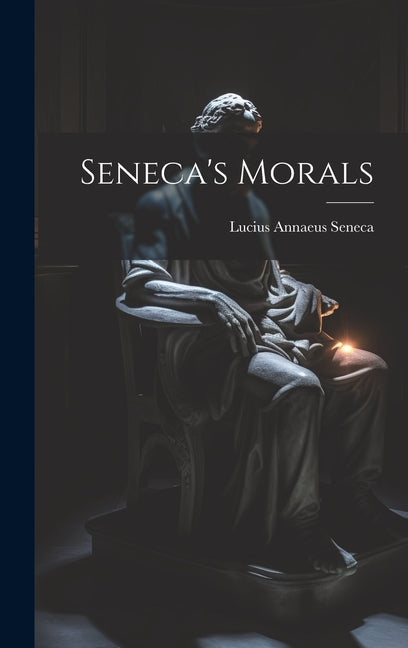
Seneca's Morals
Seneca's Morals
Couldn't load pickup availability
How do we live well in the face of suffering? Seneca's Moral Essays (also known as Seneca's Morals or Dialogues, 1st century CE) is a collection of his most profound philosophical treatises on the art of living with resilience, virtue, and inner peace. Written during the turbulent reign of Nero, these essays address the fundamental challenges of human existence: grief, anger, exile, mortality, the misuse of time, and the search for tranquility. Seneca, a Stoic philosopher who served as Nero's advisor and eventually faced execution, writes with the authority of someone who lived his philosophy under extreme pressure. These essays offer practical wisdom forged in the crucible of political intrigue, personal loss, and constant awareness of life's fragility—guidance on emotional resilience, moral integrity, and finding peace regardless of external circumstances.
The collection typically includes Seneca's three Consolations (offering comfort to those facing grief and exile), On Anger (controlling rage), On the Shortness of Life (using time wisely), On Tranquility of Mind (finding inner peace), On Providence (why adversity befalls good people), On the Happy Life (what constitutes true happiness), and other moral treatises. Seneca explores how to respond to loss with dignity, manage destructive emotions, accept what we cannot control, and cultivate virtue as the foundation of genuine well-being. His writing is vivid, psychologically astute, and deeply compassionate—offering not judgment but practical exercises for becoming stronger, wiser, and more peaceful. The essays complement his famous Letters from a Stoic, providing systematic treatments of specific challenges.
For contemplative readers, Seneca's Morals offers profound meditation on resilience, virtue, and the art of living well despite suffering. The work asks: How do we face grief, loss, and exile with dignity? How do we control anger and destructive emotions? What does it mean to use our limited time wisely? How do we find tranquility when life is turbulent? Why does adversity come to good people, and how should we respond? What is true happiness, and how is it related to virtue? Seneca's essays become essential companions for the contemplative life—offering Stoic wisdom on accepting what we cannot change, cultivating inner strength, and finding peace through alignment with reason, nature, and moral excellence.
What You'll Discover
Seneca's essential moral essays on resilience and virtue (1st century CE)
The three Consolations: comfort for grief, exile, and loss
On Anger, On the Shortness of Life, On Tranquility of Mind, On Providence
Practical guidance on managing emotions and using time wisely
Contemplative insights into suffering, virtue, and the good life
Stoic wisdom from a philosopher who lived under extreme pressure
Lucius Annaeus Seneca (c. 4 BCE-65 CE) was a Roman Stoic philosopher, statesman, and dramatist who served as advisor to Emperor Nero. Despite wealth and political power, Seneca faced exile, political intrigue, and ultimately execution—experiences that deepened his conviction that virtue and inner peace are the only reliable goods. His moral essays and letters became foundational texts of Stoicism, profoundly influencing Christian ethics, Renaissance humanism, and modern philosophy.
Perfect for: Readers of Stoic philosophy and ancient wisdom, students of Seneca and Roman thought, contemplative readers seeking resilience in the face of suffering, those interested in emotional control and inner peace, anyone facing grief, loss, or difficult circumstances, readers drawn to practical philosophy for daily life, students of virtue ethics and moral philosophy.
Hardcover edition. Seneca's essential moral essays—offering contemplative wisdom on grief, anger, time, tranquility, and the Stoic path to resilience, virtue, and inner peace in the face of life's inevitable suffering.
Share