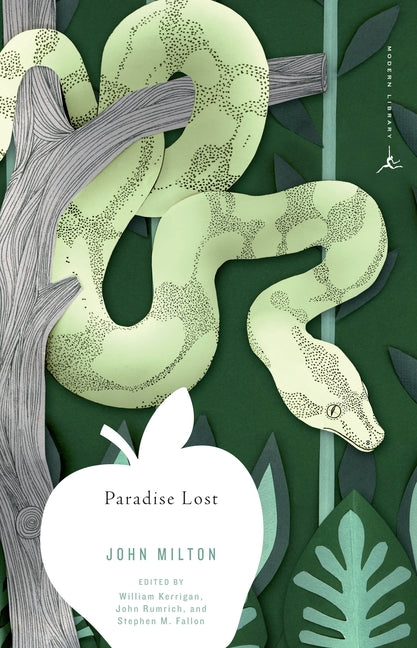
John Milton
Paradise Lost
Paradise Lost
Couldn't load pickup availability
What is the nature of evil? John Milton's Paradise Lost (1667) is an epic poem that retells the biblical story of humanity's fall—Satan's rebellion against God, his expulsion from Heaven, and his successful temptation of Adam and Eve in the Garden of Eden. Written in blank verse across twelve books, this is one of the greatest works in English literature, a profound meditation on free will, obedience, pride, and the origin of sin. Milton's Satan is literature's most complex villain—charismatic, defiant, and tragic—declaring "Better to reign in Hell than serve in Heaven." But the poem asks: Is Satan heroic or deluded? Is his rebellion freedom or slavery to pride?
The epic unfolds in three movements: Satan's fall and journey to Eden, the temptation and fall of Adam and Eve, and the promise of redemption through Christ. Milton's Satan embodies the paradox of evil—he claims to fight for freedom but becomes enslaved by his own hatred and pride. Adam and Eve's fall reveals the cost of disobedience but also the dignity of free will: they choose to eat the forbidden fruit, and that choice—however tragic—is theirs. Milton's God is just but inscrutable, his ways beyond human comprehension. The poem's power lies in its refusal to simplify: Satan is both magnificent and pathetic, Adam and Eve both innocent and culpable, God both loving and severe. Milton writes to "justify the ways of God to men," but the justification is not easy comfort—it's the recognition that freedom requires the possibility of falling.
For contemplative readers, Paradise Lost offers profound meditation on free will, temptation, and the nature of evil. The work asks: What is the relationship between freedom and obedience? How do we discern between righteous defiance and prideful rebellion? What does it mean that we are free to choose wrongly? How do we live with the consequences of our choices? What is the nature of evil—external force or internal corruption? Paradise Lost becomes a mirror for examining our own relationship to authority, pride, and the choices that define us. Milton suggests that the contemplative life requires holding the paradox: we are free, which means we can fall; we fall, which reveals our need for grace; and redemption is possible, but only through acknowledging our fallenness rather than denying it.
What You'll Discover
- Milton's epic poem in blank verse (1667, 12 books)
- Satan's rebellion, fall from Heaven, and journey to tempt humanity
- The temptation and fall of Adam and Eve in the Garden of Eden
- The promise of redemption through Christ and the hope beyond the fall
- Milton's complex Satan: "Better to reign in Hell than serve in Heaven"
- Contemplative insights into free will, temptation, pride, and the nature of evil
- One of the greatest works in English literature and Renaissance epic poetry
Milton (1608-1674) wrote Paradise Lost after going blind, dictating the poem to his daughters. His mastery of blank verse, classical allusions, and theological depth make this work both intellectually demanding and emotionally powerful. This Modern Library edition includes scholarly introduction, annotations on classical allusions, and commentary that make Milton's masterwork accessible to contemporary readers.
Perfect for: Readers of Renaissance literature and epic poetry, contemplative readers exploring free will and the nature of evil, students of Milton and English literature, those interested in theology and the problem of evil, anyone drawn to works that examine rebellion, temptation, and redemption, readers seeking wisdom on freedom, choice, and living with the consequences of our decisions.
Paperback edition. Milton's epic masterpiece on the fall of humanity—offering contemplative wisdom on free will, the nature of evil, and the paradox that freedom requires the possibility of falling, which reveals our need for grace.
Share