François Rabelais
Gargantua and Pantagruel
Gargantua and Pantagruel
Couldn't load pickup availability
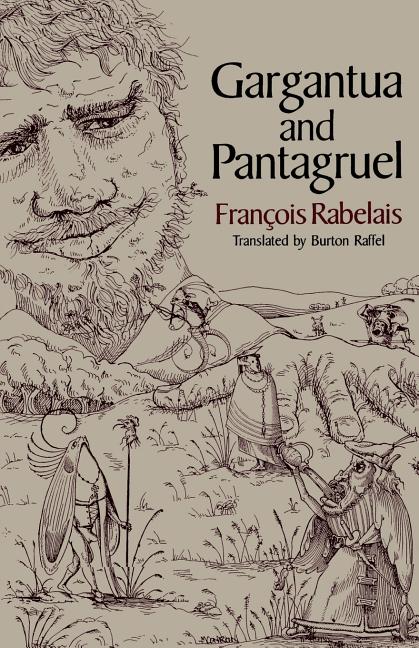
What does it mean to live fully? François Rabelais's Gargantua and Pantagruel (1532-1564) is a wildly exuberant, bawdy, and satirical masterpiece that follows two giants—father Gargantua and son Pantagruel—through adventures that celebrate bodily appetites, mock religious hypocrisy, critique scholastic pedantry, and champion humanist learning. Written in five books over three decades, this work is Renaissance humanism at its most joyful and irreverent: a defense of laughter, pleasure, knowledge, and the body against those who would suppress them. Rabelais writes with encyclopedic learning and scatological humor, creating a work that is simultaneously profound and profane.
The narrative follows the giants' education, battles, and quests. Gargantua's education contrasts sterile scholasticism with vibrant humanist learning that engages body, mind, and spirit. Pantagruel's adventures include bizarre battles, philosophical debates, and the quest for the Oracle of the Divine Bottle (whose wisdom is simply "Drink!"). Rabelais satirizes everything: corrupt monks, pompous scholars, unjust wars, and those who fear the body and its pleasures. But beneath the comedy lies serious humanism: the celebration of learning, the dignity of the body, the importance of laughter, and the belief that life should be lived abundantly. The famous Abbey of Thélème, with its motto "Do What Thou Wilt," envisions a community where educated, virtuous people govern themselves through reason and desire rather than external rules.
For contemplative readers, Gargantua and Pantagruel offers profound meditation on embodiment, joy, and the integration of body and spirit. The work asks: What is the relationship between bodily pleasure and spiritual life? How do we honor the body without being enslaved by appetite? What does laughter teach us that seriousness cannot? How do we discern between life-affirming pleasure and destructive excess? What does "Do What Thou Wilt" mean for those who are truly educated and virtuous? Rabelais suggests that the contemplative life is not denial of the body but its joyful integration with mind and spirit—that wisdom includes laughter, that holiness can coexist with appetite, and that living fully means embracing both the sacred and the profane without shame.
What You'll Discover
- Rabelais's comic masterpiece in five books (1532-1564)
- The adventures of giants Gargantua and Pantagruel—education, battles, and quests
- Satire of religious hypocrisy, scholastic pedantry, and those who fear the body
- Humanist celebration of learning, laughter, pleasure, and living abundantly
- The Abbey of Thélème and its motto: "Do What Thou Wilt"
- Contemplative insights into embodiment, joy, and integrating body and spirit
- One of the great comic masterpieces of Renaissance literature
Rabelais (c. 1494-1553) was a monk, physician, and scholar whose work scandalized authorities and delighted readers. His encyclopedic learning, linguistic inventiveness, and celebration of life made Gargantua and Pantagruel one of the most influential works of the Renaissance. The work shaped everything from Montaigne's essays to modern comedy, proving that wisdom and laughter are not opposites but companions.
Perfect for: Readers of Renaissance literature and satire, contemplative readers exploring embodiment and joy, students of Rabelais and humanism, those interested in the integration of body and spirit, anyone drawn to works that celebrate laughter and life's abundance, readers seeking wisdom on living fully without shame or denial.
Paperback edition. Rabelais's exuberant masterpiece of giants, satire, and humanist joy—offering contemplative wisdom on embodiment, laughter, and the integration of body, mind, and spirit in living abundantly.
Share